
Build an approval‑ready credit profile
Understand what’s driving your credit decisions, identify items that may be unfair or inaccurate, and take a structured next step toward stronger approvals and better terms.
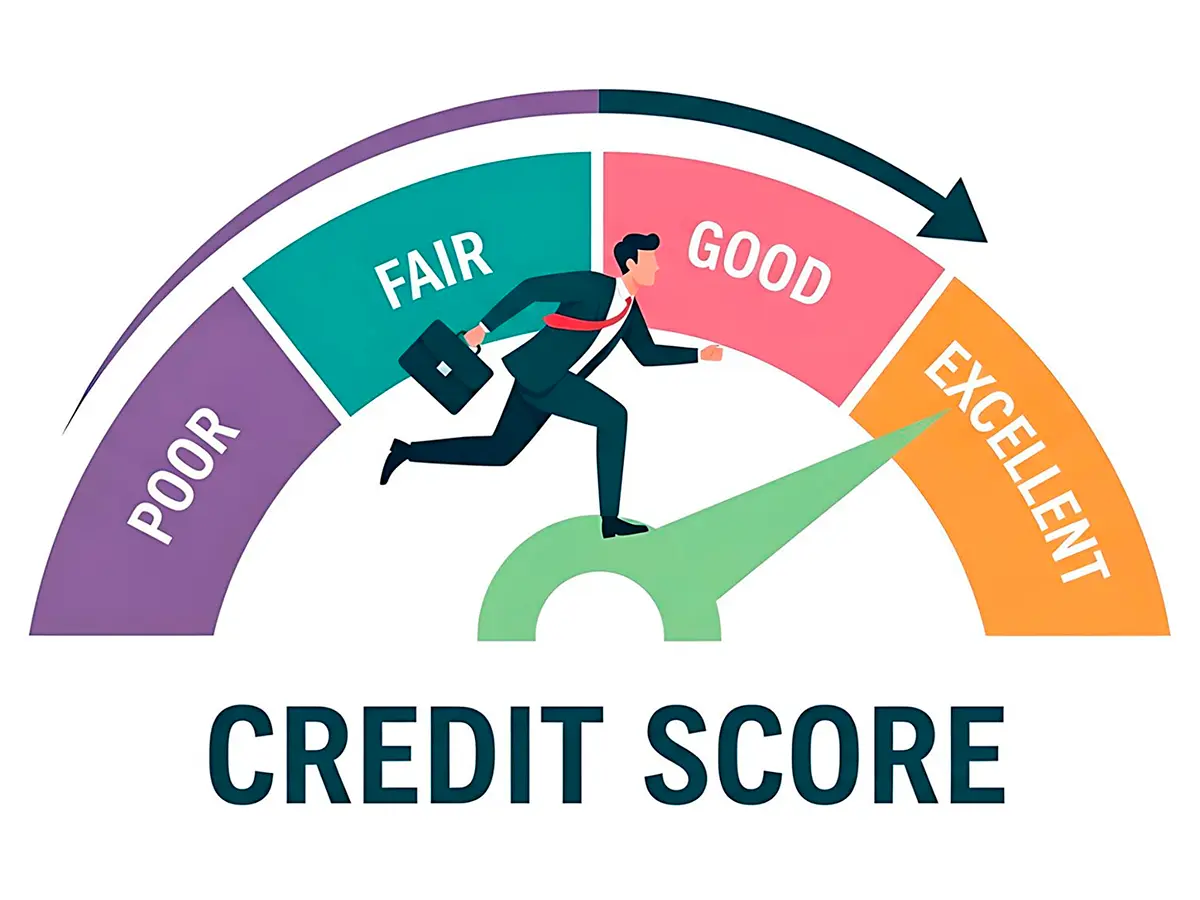
Built around established U.S. credit reporting practices and dispute procedures under the Fair Credit Reporting Act (FCRA). No unrealistic promises—just clarity, documentation, and structured credit improvement.
Unlock more options
Choose the outcome you care about. We’ll outline what improves it—and what to watch for—so you can move forward with confidence.
Your path to stronger credit
A stronger credit profile can mean better approval odds, improved loan terms, and more financial flexibility. Get a clear, no-fluff overview of what credit improvement can help you achieve — then take the next step when you're ready.
Credit decisions in the U.S. are typically influenced by payment history, utilization ratios, account age, recent inquiries, and the accuracy of reporting across major credit bureaus.
Even small inconsistencies can affect lending algorithms. A structured credit improvement approach focuses on verified data, responsible usage patterns, and consistent financial behavior.
*Results vary. This page does not guarantee outcomes.
How it works
A straightforward workflow used by reputable credit‑support programs: review, challenge what’s questionable, and build stronger habits while updates are processed.

Review your starting point
Clarify your goal and look at what’s currently affecting approvals and terms.

Identify what can be challenged
See what information is typically needed, what to expect next, and how the workflow usually looks.

Move forward
Continue to explore available options and take the next step toward better credit outcomes.
credit score consultant insights and practical guidance
A credit score consultant is a focused ally who evaluates your credit profile, explains what actually moves the score, and helps prioritize next steps. The approach favors flexibility and simplicity: fewer moving parts, clearer milestones, and attention to items that deliver the most impact per effort.
What a consultant actually does
Rather than magic tricks or blanket promises, the work centers on analysis and sequencing. They look at reports from major bureaus, map differences, and identify disputes worth pursuing. They also shape a cash-flow-aware plan so improvements don't break your budget.
- Report triage: Spot legitimate errors, duplicates, or outdated negatives.
- Utilization strategy: Calibrate balances and due dates to reduce revolving use.
- Account mix review: Weigh the role of installment vs. revolving credit.
- Timeline and checkpoints: Set monthly targets and review dates.
- Lender fit: Align goals with lenders that match your profile and tolerance for inquiries.
Where their value shows
Consider a quiet, real-world moment: a teacher met a consultant during a free library workshop, then booked a brief session. A duplicated collection was documented and disputed; payment dates were shifted to keep reported balances lower. Over the next quarter, she saw steadier scores and qualified for a more predictable auto loan rate. No miracles - just order, tracking, and measured changes.
Simple steps they might suggest
- Pull all three bureau reports and sort negative items by fixability and age.
- Document disputes with dated statements and correspondence; submit clearly.
- Reschedule card payments to post before statement dates to curb utilization.
- Channel extra cash to one revolving balance at a time for visible ratio gains.
- Keep long-aged accounts open when possible; avoid rapid new inquiries.
- Recheck reports monthly; only add new credit (e.g., secured card) with a clear purpose.
Costs, expectations, and caveats
Fees vary - hourly consulting or flat packages. Ethical consultants avoid guarantees and explain limits. Scores refresh on bureau timelines; some changes take weeks, others many months. Models differ (FICO versions, VantageScore), so the same actions can yield uneven results. Paying a collection may not lift a score immediately; accuracy and aging still matter.
- Pragmatic caveat: If income is unstable or debts are accelerating, stabilization may outrank score improvement for a time.
- Expect homework: gathering documents, adjusting payment timing, and tracking outcomes.
- Communication should be simple, with plain-language summaries after each check-in.
Who benefits and who might not
Helpful for people with scattered negatives, confusing report discrepancies, or complex goals on a short timeline. Less useful if your credit is already strong and you just need one or two quick tweaks you can DIY.
Alternatives and flexibility
You can self-serve through the bureaus, use nonprofit financial counselors, or lean on secured cards and budgeting tools. A credit score consultant is one option among many; the best fit is the path that keeps steps small, costs transparent, and progress trackable.
Bottom line
Measured analysis, simple routines, and flexible pacing tend to outperform bold promises. With clear expectations and steady follow-through, improvement becomes a process you can repeat - not a one-time fix.
360 Credit Consulting can provide the help you need to improve your credit score in the following ways: - Guidelines for using credit cards and debit cards ...
The CCA Certification Examination is taken online. - Upon Membership Registration, Payment, and membership approval, You will receive four custom links and a ...
2. Find Reputable, Accredited Counselors Through a Counseling Organization - The National Foundation for Credit Counseling (NFCC): Start your ...
Frequently asked questions
A clear next step — without the guesswork
See what’s impacting approvals and what may deserve a closer look.
Understand how disputes are structured and what documentation matters.
Improve utilization, consistency, and long-term credit stability.
See what improving your credit could change
Take a structured next step based on your current profile — and decide with clarity.